Ledger.com/start: Learning to Manage Cryptocurrency With Greater Confidence
Using a hardware wallet introduces a different approach to cryptocurrency management. Instead of relying entirely on an online application, owners use a dedicated physical device to protect private keys and confirm supported transactions. Ledger.com/start is a relevant topic for anyone interested in learning how this process works and what to consider when preparing a Ledger wallet for regular use.
The first step in responsible wallet management is understanding the role of private keys. These cryptographic credentials authorize transactions associated with blockchain addresses. If someone gains access to the necessary recovery information, they may be able to control the assets connected to the wallet.A Ledger hardware wallet is designed to keep private keys protected within the device. Compatible companion software can help prepare transactions, while the physical device provides an opportunity to review and approve them.This makes it important to treat the hardware wallet as a security tool rather than simply another way to view cryptocurrency balances.
Before exploring Ledger.com/start, identify your exact device model and review its documentation. Different models may offer different connection methods, controls, and supported functions.Choose a trusted computer or compatible mobile device. Install available operating system updates and avoid using public computers for wallet configuration.Keep your workspace private, organize the materials you need, and allow enough time to read each instruction. Rushing through a configuration process can lead to avoidable mistakes.
Online searches for Ledger.com/start may show genuine resources alongside imitation websites. Some fraudulent pages use similar branding and page layouts to persuade visitors to install unsafe software.Use Ledger’s genuine website and verify the address before downloading an application or following setup instructions. Do not trust unexpected links from emails, social media messages, or unknown support accounts.If a website asks you to enter recovery words, close the page. Recovery information should remain private and offline, regardless of how convincing the website looks.
The configuration process may involve setting up a new wallet or restoring an existing one. Follow the instructions for your exact model and pay attention to the prompts displayed directly on the device.Choose a PIN that is not easy to guess. Keep it private and avoid sharing it with anyone offering technical assistance.If a device purchased as new arrives with an existing PIN or recovery phrase, stop before using it. Contact official Ledger support through a verified channel for guidance.
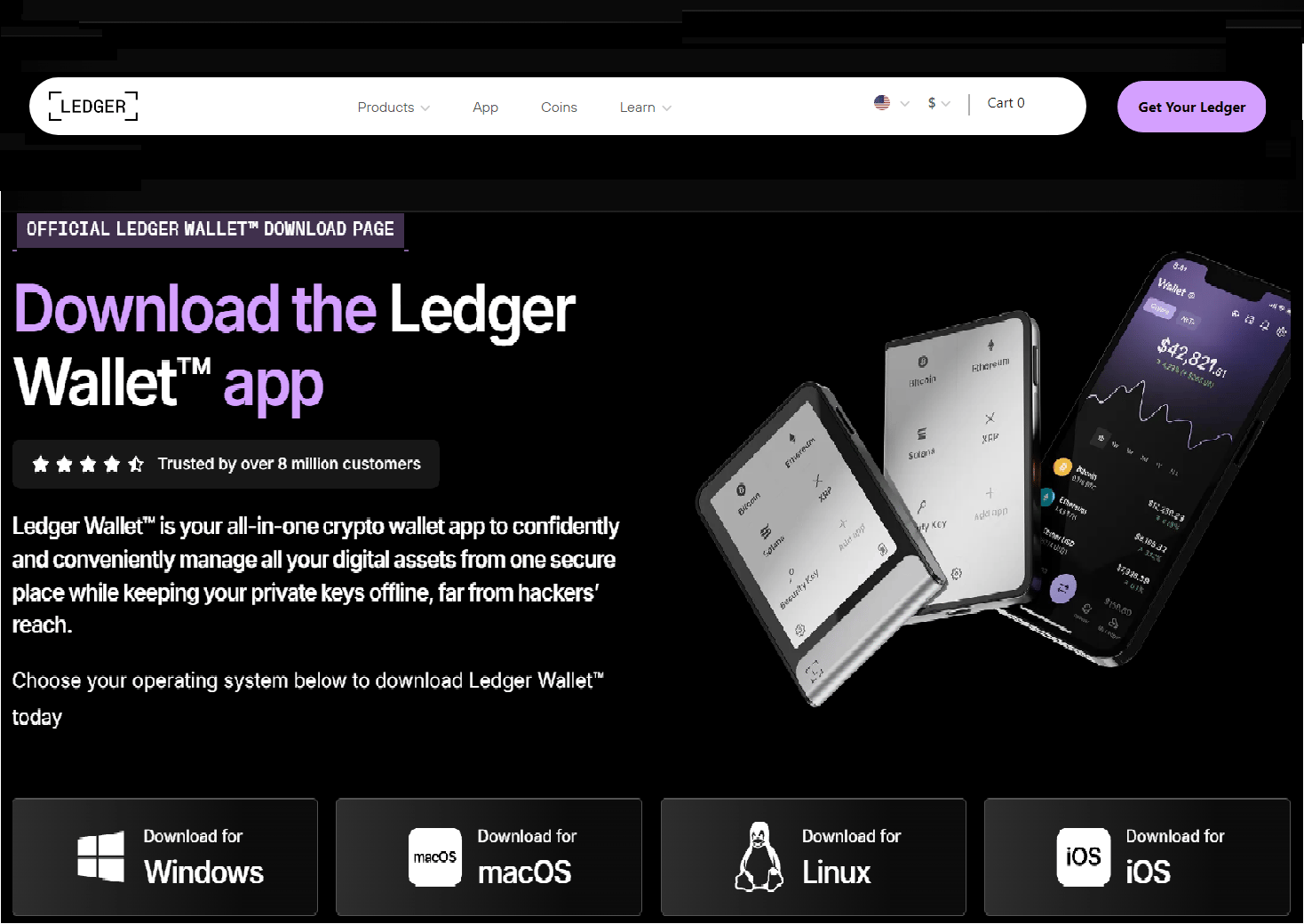
Ledger Live is companion software used with supported Ledger hardware wallets. It provides an interface for viewing accounts and carrying out supported asset-management activities.After downloading it from a genuine Ledger source, explore the dashboard and become familiar with its main sections. Learn where account information appears, how transaction history is presented, and which features are available for your device.Software capabilities and asset support may change according to the hardware model, application version, and configuration. Check official documentation whenever you are unsure whether a particular asset or operation is supported.
A hardware wallet owner should plan for situations in which the original device becomes lost, damaged, or unavailable.If your configuration generates a recovery phrase, record it according to the instructions for your device. Verify the written information and keep it in a secure location that is protected from unauthorized access.Avoid digital storage methods such as photographs, screenshots, cloud drives, and email drafts. Never share recovery words with another person or enter them into an online form. Genuine support teams do not need your recovery phrase to troubleshoot ordinary device issues.
Once setup is complete, learn how your cryptocurrency accounts are organized. Use clear labels where available so that different assets and purposes are easier to recognize.Before receiving funds, verify the receiving address and confirm that the selected network matches the sender’s network. A correct-looking address does not guarantee compatibility with every blockchain.When preparing a payment, check all transaction details instead of relying only on copied information or saved recipient names.
One of the most important responsibilities of Ledger wallet ownership is reviewing transactions before approval.Check the recipient address, cryptocurrency, network, amount, and fee directly on the hardware wallet display. If the details are unfamiliar or do not match your intention, reject the request.A small test transaction can be useful when learning a new transfer process. Because blockchain transactions are generally irreversible, careful verification should always come before approval.
Scammers may pretend to be customer support representatives or claim that a wallet needs urgent verification. They may ask for recovery words, PIN information, or remote access to a computer.Treat these requests as warning signs. Reach official support through independently verified resources and never disclose confidential wallet information.
Ledger.com/start provides a useful subject for learning about hardware wallet preparation and responsible cryptocurrency management. Understanding device configuration, Ledger Live, recovery planning, account organization, and transaction verification can help users make more informed decisions. A secure wallet routine depends on consistent attention, private recovery information, and careful approval of every transaction.